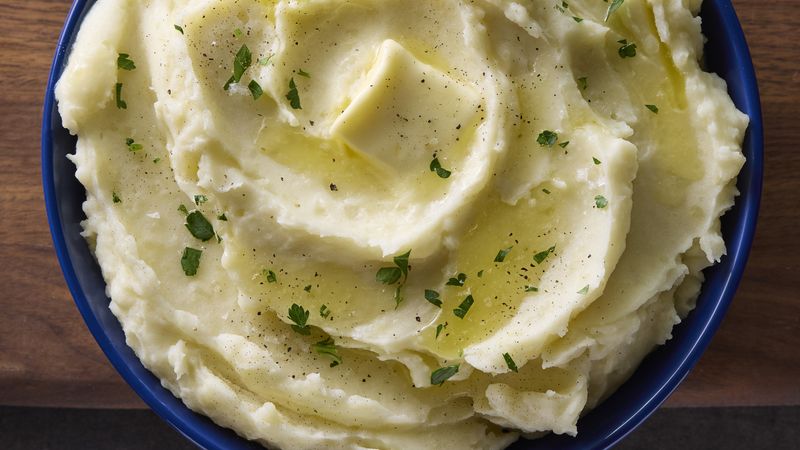
Unlock the Secret to Your Best Homemade Mashed Potatoes
There are few dishes as universally beloved and comforting as a bowl of warm, creamy mashed potatoes. Whether gracing the holiday table or serving as a humble weeknight side, their ability to transform a meal is undeniable. Often perceived as a simple concoction, the journey to truly perfect, silky-smooth mashed potatoes involves understanding a few key principles, starting with the power of simple, quality ingredients and time-tested techniques. This isn't just any mashed potatoes recipe; it's a guide to creating a culinary masterpiece with minimal fuss.
For decades, classic recipes have paved the way, refined over countless kitchen tests to achieve that ideal balance of flavor and texture. The good news? You don't need a pantry full of exotic items to achieve this nirvana. In fact, just five core ingredients, coupled with some smart choices and techniques, are all it takes to elevate your homemade mashed potatoes from good to absolutely unforgettable. Forget soupy, gummy, or bland — prepare for fluffy, rich, and utterly craveable perfection.
The Foundation: Choosing Your Perfect Potato for a Dreamy Mash
The journey to the best mashed potatoes recipe begins long before any mashing tool comes out; it starts with the humble potato itself. Not all potatoes are created equal when it comes to mashing, and selecting the right variety is perhaps the single most important decision for achieving that coveted smooth and creamy texture.
Starchy vs. Waxy: Understanding Your Options
- Starchy Potatoes (The Champions): Varieties like Russet or Idaho potatoes are your best friends for mashing. They are high in starch and relatively low in moisture, which causes them to break down easily when cooked. This breakdown creates a fluffy, light texture that readily absorbs butter and milk without becoming dense or gummy. Their fluffy nature also ensures fewer lumps, contributing to that silky-smooth consistency everyone craves.
- All-Purpose Potatoes (The Versatile Contenders): Yukon Gold potatoes offer an excellent middle ground. While not as starchy as Russets, their creamy-yellow flesh and slightly waxy texture still mash beautifully, yielding a richer, almost buttery flavor and a wonderfully smooth consistency. They provide a lovely balance of fluffy and creamy, making them a fantastic choice if you prefer a slightly denser, more flavorful mash.
- Waxy Potatoes (The Ones to Avoid for Mashing): Potatoes like Red Bliss or New Potatoes have a higher moisture content and hold their shape exceptionally well when cooked. This characteristic, while great for roasting or potato salads where you want distinct pieces, makes them a nightmare for creamy mashed potatoes. They resist breaking down, leading to lumpy results, and don't absorb liquids effectively, often resulting in a soupy or paste-like consistency. Save these for other culinary adventures!
Understanding the science behind potato types is key to avoiding common mashed potato pitfalls. For a deeper dive into how different potato varieties impact your mash, explore Potato Type Unveiled: The Secret to Silky Smooth Mashed Potatoes. For the absolute best, stick with Russets or Yukon Golds for your homemade mashed potatoes recipe.
The Dairy & Butter Debate: Crafting Creaminess and Flavor
Once you've chosen your spuds, the next critical step is selecting the dairy and fat that will transform them into a decadent side dish. The beauty here is in the flexibility, allowing you to tailor the richness to your preference without compromising on quality.
Milk, Cream, or Somewhere in Between?
The fat content of your dairy directly influences the richness and mouthfeel of your mashed potatoes. The good news is, almost anything works!
- Heavy Cream: For ultimate indulgence, heavy cream delivers a sumptuously rich and velvety texture. It's the choice for special occasions when decadence is desired.
- Half-and-Half or Whole Milk: These offer a fantastic balance, providing significant creaminess and flavor without being overly heavy. They are excellent everyday choices for a satisfying mashed potatoes recipe.
- Low-Fat or Skim Milk: If you're aiming for a lighter option, these still work! While the potatoes may not be as overtly rich, the method and proper mashing will still yield a delicious result. The key here, regardless of your choice, is to heat your milk or cream before adding it to the mashed potatoes. Warm dairy absorbs better and helps keep your potatoes piping hot, preventing them from cooling down as you mix.
The Magic of Real Butter
There's simply no substitute for real butter when it comes to the best mashed potatoes. Butter contributes not just a delightful, slightly sweet richness but also plays a crucial role in the overall texture. Its fat emulsifies with the starch and dairy, creating that smooth, luxurious mouthfeel.
While the exact amount can be adjusted to personal taste, a good starting point is about 2 tablespoons of real butter for a standard batch of 2-3 pounds of potatoes. This provides a wonderfully butter-rich flavor without making the potatoes feel greasy or heavy. Margarine or butter substitutes simply don't offer the same depth of flavor or contribute to the desired texture.
Mastering the Mash: Techniques for Flawless Texture
With the right ingredients in hand, technique becomes paramount. From cooking to mashing, every step contributes to the final, glorious outcome of your homemade mashed potatoes.
1. Prepare and Cook Uniformly
- Peel and Cut: First, peel your chosen potatoes. For consistent cooking, cut them into roughly 1-inch pieces. Uniformity ensures that all potato pieces cook at the same rate, preventing some from being undercooked and others turning mushy.
- Start Cold & Salted: Place the cut potatoes in a 3- to 4-quart saucepan and cover them with cold water by about an inch. Add a generous pinch of salt to the water (about 1-2 teaspoons per pound of potatoes). Starting potatoes in cold water ensures they cook evenly from the outside in. Salting the water seasons the potatoes from within as they cook, building a foundational flavor.
- Boil Until Tender: Bring the water to a boil, then reduce heat and simmer until the potatoes are fork-tender. This usually takes 15-20 minutes, depending on the potato type and size of the pieces. Don't overcook them to the point of disintegration, but ensure they are soft throughout.
2. Drain Thoroughly & "Steam Dry"
This step is crucial and often overlooked. Once tender, drain the potatoes completely in a colander. Then, here's the trick: return the drained potatoes to the empty hot saucepan over low heat for 1-2 minutes, shaking gently. This allows any residual moisture to evaporate, effectively "steam drying" the potatoes. Removing excess water is essential for preventing soupy mashed potatoes and ensuring they can properly absorb the butter and dairy for a rich, creamy consistency.
3. Mash with Precision
The tool you use for mashing can significantly impact the final texture:
- Potato Masher: A good old-fashioned potato masher is perfect for achieving a rustic yet creamy texture with just a few small lumps, which many people prefer. Work quickly and efficiently.
- Potato Ricer or Food Mill: For the absolute smoothest, most ethereal mashed potatoes, a potato ricer or food mill is your secret weapon. These tools push the cooked potatoes through small holes, separating the starch granules without overworking them, resulting in an incredibly fine and fluffy texture.
- Avoid Over-Mashing: This is perhaps the most important rule. Over-mashing, especially with an electric mixer or food processor, releases too much starch, leading to a gluey, pasty texture. Mash just until smooth, with perhaps a few tiny lumps if using a hand masher.
4. Incorporate Warm Dairy and Butter
Once mashed, add your warm milk/cream and softened butter to the potatoes. Gently fold or mash until just combined and smooth. Taste and adjust seasonings.
Beyond the Basics: Elevating Your Mashed Potatoes
While the core ingredients and techniques are simple, there's always room to subtly enhance your homemade mashed potatoes recipe, making it truly your own.
- Season in Layers: We've already salted the cooking water. Now, add a little more salt and freshly ground black pepper while mashing. Taste, and then adjust. A common mistake is not adding enough salt, which leaves potatoes tasting flat.
- Garlic Infusion: For a subtle savory kick, you can simmer a few peeled garlic cloves with your potatoes, then mash them right along with the potatoes. Alternatively, warm your milk with a smashed garlic clove or two, then strain it before adding to the potatoes.
- Fresh Herbs: A sprinkle of fresh chives, parsley, or thyme just before serving can add brightness and a pop of color.
- Cheese Please: A touch of grated Parmesan, cheddar, or Gruyère folded in at the end can add an extra layer of savory goodness.
- Keep Them Warm: If making ahead, keep your mashed potatoes warm over a double boiler or in a slow cooker on the "warm" setting. Stir occasionally and add a splash more warm milk if they seem to thicken too much.
The Ultimate Comfort: A Simple Mashed Potatoes Recipe
Crafting the perfect batch of homemade mashed potatoes is a testament to the power of simple ingredients and thoughtful technique. By choosing the right potatoes, understanding the role of dairy and butter, and mastering the mashing process, you unlock a world of creamy, fluffy, and utterly delicious possibilities. This isn't just a side dish; it's a culinary hug, a staple that brings comfort and joy to any meal. So, go ahead, gather your simple ingredients, and prepare to create the best mashed potatoes your family has ever tasted. Enjoy the rich rewards of your kitchen efforts tonight!
