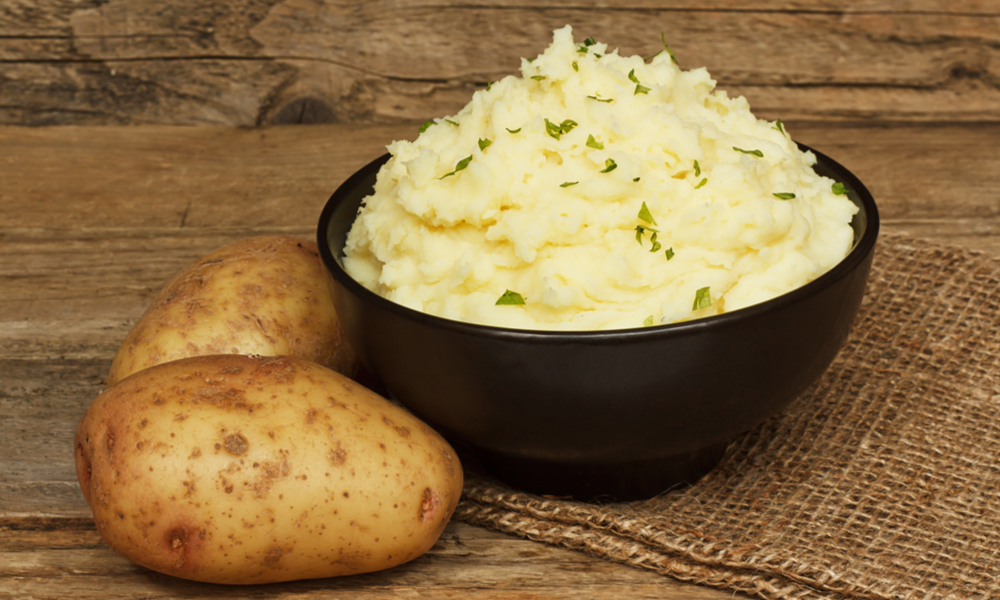
Potato Type Unveiled: The Secret to Silky Smooth Mashed Potatoes
There are few culinary delights as universally beloved and comforting as a bowl of perfectly silky smooth mashed potatoes. This timeless classic isn't just a holiday staple; it’s a versatile side dish that elevates any weeknight meal, bringing smiles and satisfied sighs to the dinner table. While seemingly simple, achieving that coveted creamy, lump-free texture often feels like a culinary enigma. Many home cooks strive for the rich, velvety consistency found in top-rated
mashed potatoes recipes that have stood the test of time, like the one perfected over 50 years by Pillsbury. But what's the real secret? After countless kitchen tests and decades of culinary wisdom, one truth shines brightest: the type of potato you choose is paramount to your mashed potatoes recipe success.
The Unsung Hero: Why Your Potato Choice Matters for the Perfect Mashed Potatoes Recipe
Imagine two canvases: one coarse and uneven, the other smooth and ready for a masterpiece. The potato you select is your canvas for creating the ultimate mashed potatoes. Different potato varieties possess unique starch and moisture levels that directly impact how they break down and absorb other ingredients. Understanding these differences is the first, crucial step toward transforming your mashed potatoes recipe from good to legendary. Skipping this foundational knowledge can lead to a frustrating battle against lumps, a soupy mess, or an unpleasantly pasty texture.
Starchy Potatoes: Your Go-To for Fluffy Perfection
When the goal is ethereal lightness and a truly smooth consistency,
starchy potatoes are your best friend. Varieties like *Russet* (also known as Idaho) are the undisputed champions for a superior mashed potatoes recipe. Why?
- High Starch Content: Their abundant starch granules swell significantly when cooked, causing the potatoes to easily fall apart. This makes them incredibly simple to mash, requiring minimal effort to eliminate lumps.
- Low Moisture: Starchy potatoes have a naturally drier flesh, which allows them to readily absorb milk, butter, and other liquid fats without becoming watery.
- Ideal Texture: The result is mashed potatoes that are wonderfully fluffy and light, neither heavy and gluey nor thin and soupy. They create the perfect creamy canvas for your dairy additions.
If you're aiming for that classic, light-as-air mashed potato experience, always reach for the Russets.
All-Purpose Potatoes: A Creamy Contender
While not as dramatically starchy as Russets, *Yukon Gold* potatoes are fantastic all-purpose spuds that also deliver excellent results in a mashed potatoes recipe.
- Medium Starch, Medium Moisture: Yukon Golds strike a balance, offering a creamier texture than Russets and a beautiful, naturally buttery yellow hue.
- Distinct Flavor: They possess a slightly sweeter, richer flavor profile that adds another layer of depth to your mashed potatoes.
- Good Absorption: While they hold their shape a bit more than Russets, they still mash down well and absorb liquids effectively, yielding a delightfully creamy, rather than fluffy, mashed potato.
If you prefer a slightly denser, yet still incredibly smooth and flavorful mashed potato, Yukon Golds are a superb choice.
Waxy Potatoes: Know When to Say No
This is where many aspiring mashed potato chefs go wrong. Varieties like *Red Bliss*, *New Potatoes*, or *Fingerlings* are *waxy potatoes*. While delicious in their own right, they are the nemesis of a smooth mashed potatoes recipe.
- Low Starch, High Moisture: Waxy potatoes have less starch and more moisture, causing them to hold their shape firmly even after cooking.
- Resistant to Mashing: Trying to mash waxy potatoes is an uphill battle. They resist breaking down, leading to stubborn lumps that refuse to disappear, no matter how vigorously you mash.
- Poor Absorption: Their firm cell structure doesn't readily absorb fats and liquids, often resulting in a soupy, greasy, or unpleasant consistency.
Save these beauties for potato salads, roasting, or dishes where you want the potato pieces to retain their integrity. For silky smooth mashed potatoes, *emphatically avoid waxy varieties*.
Beyond the Spud: Mastering the Mashed Potatoes Recipe for Optimal Creaminess
While potato choice is foundational, the journey to transcendent mashed potatoes doesn't end there. The techniques and complementary ingredients you use play a vital role in achieving that ultimate, craveable texture and flavor.
The Art of Seasoning: Salting Your Way to Flavor
Flavor is built in layers, and your mashed potatoes recipe is no exception.
- Salt the Cooking Water: Just like pasta, potatoes benefit immensely from being cooked in generously salted water. This seasons them from the inside out, ensuring a deeper, more integrated flavor. Think of it as brining your potatoes.
- Season While Mashing: Add a pinch of salt (and pepper!) as you mash. This allows you to taste and adjust, achieving the perfect balance without overdoing it. Remember, you can always add more, but you can't take it away. Over the years, classic recipes have even been tweaked to perfect this balance, proving that subtle adjustments make a big difference.
Dairy Delights: The Role of Milk and Butter
The right dairy additions are crucial for richness and texture in any mashed potatoes recipe.
- Milk or Cream: The higher the fat content, the richer and more decadent your mashed potatoes will be. While skim milk will technically work, a whole milk, half-and-half, or even heavy cream will deliver superior flavor and a more luxurious mouthfeel. Experiment to find your ideal decadence level. Crucial Tip: Always warm your milk or cream before adding it to the hot potatoes. Cold dairy will cool down your potatoes, making them less enjoyable and potentially affecting absorption.
- Real Butter is Non-Negotiable: Margarine or butter substitutes simply don't compare. Real butter offers unparalleled flavor, a creamy texture, and the richness essential for memorable mashed potatoes. Aim for about 2 tablespoons per medium-sized potato as a starting point. This amount usually provides a rich, buttery flavor without making the dish greasy or heavy.
- Beyond the Basics: For an extra layer of complexity and tang, consider incorporating a spoonful of warmed cream cheese or sour cream during the mashing process. This can add a delightful depth that elevates your mashed potatoes recipe further.
Perfecting the Process: Cooking and Mashing Techniques
Even with the right potatoes and ingredients, sloppy technique can derail your efforts.
- Proper Cooking: Cut potatoes into evenly sized pieces (about 1-inch cubes) to ensure they cook uniformly. Place them in a pot large enough to prevent boiling over (a 3-4 quart pot is ideal for standard batches) and cover with cold water before bringing to a boil. Cook until fork-tender, but not mushy.
- Drain Thoroughly: After cooking, drain the potatoes completely using a colander. For extra dry potatoes, return them to the empty hot pot over low heat for a minute or two, stirring gently. This evaporates any residual surface moisture, allowing for better absorption of butter and milk.
- Choose Your Mashing Tool Wisely:
- Potato Masher: A good old-fashioned potato masher works well for a rustic-smooth texture with minimal lumps, especially with starchy potatoes.
- Potato Ricer or Food Mill: For the absolute silkiest, most restaurant-quality mashed potatoes, a ricer or food mill is the gold standard. These tools force the cooked potatoes through small holes, separating individual starch cells and virtually guaranteeing a lump-free result.
- Avoid Over-Mashing: This is critical! Over-mashing, especially with an electric mixer or food processor, breaks down too many starch cells, releasing excess starch. This leads to a gummy, gluey, and unappetizing texture. Mash just until smooth, then stop.
A Timeless Classic: Why This Mashed Potatoes Recipe Endures
The simple beauty of a well-executed
mashed potatoes recipe lies in its ability to transform humble ingredients into something truly extraordinary. It’s a testament to the fact that sometimes, the simplest recipes, when understood and respected, are the ones we return to again and again. Recipes that have been refined over decades, like those cherished by Pillsbury and adored by millions of home cooks, resonate because they deliver consistent, crowd-pleasing results. The universal appeal of mashed potatoes comes from their comforting warmth, rich flavor, and ability to pair seamlessly with almost any main course, from a simple roast chicken to an elaborate holiday feast.
In conclusion, while butter, milk, and seasoning all play their vital roles, the true secret to unlocking that dreamy, silky smooth mashed potatoes recipe lies firmly in your choice of potato. Opt for starchy Russets or creamy Yukon Golds, understand the science behind why they work, and apply thoughtful techniques, and you'll be well on your way to crafting a side dish that not only comforts the soul but also impresses every palate. Say goodbye to lumpy disappointments and hello to your best mashed potatoes ever.